
Page History
For the development of the design kit it is essential to know which users and how the users use the kit. Here it is important to know which end devices they use, how the lighting conditions are during use and how the input is made.
In this section we analyse these situations and make recommendations for the use of the Design Kit.
The Devices
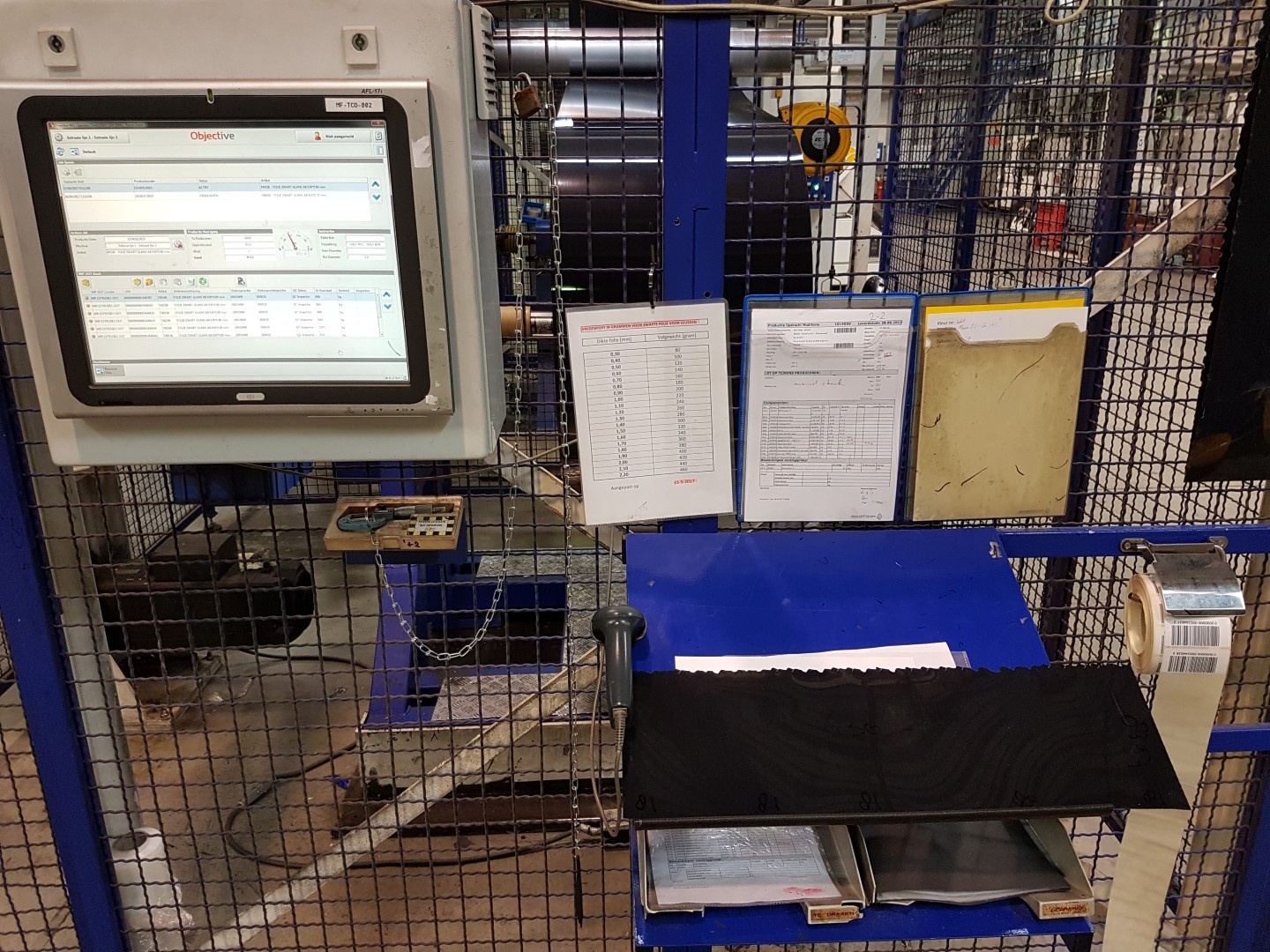
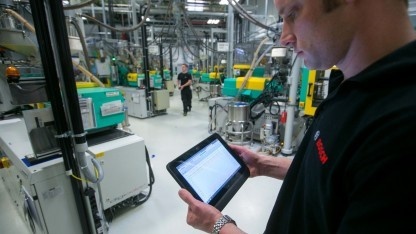
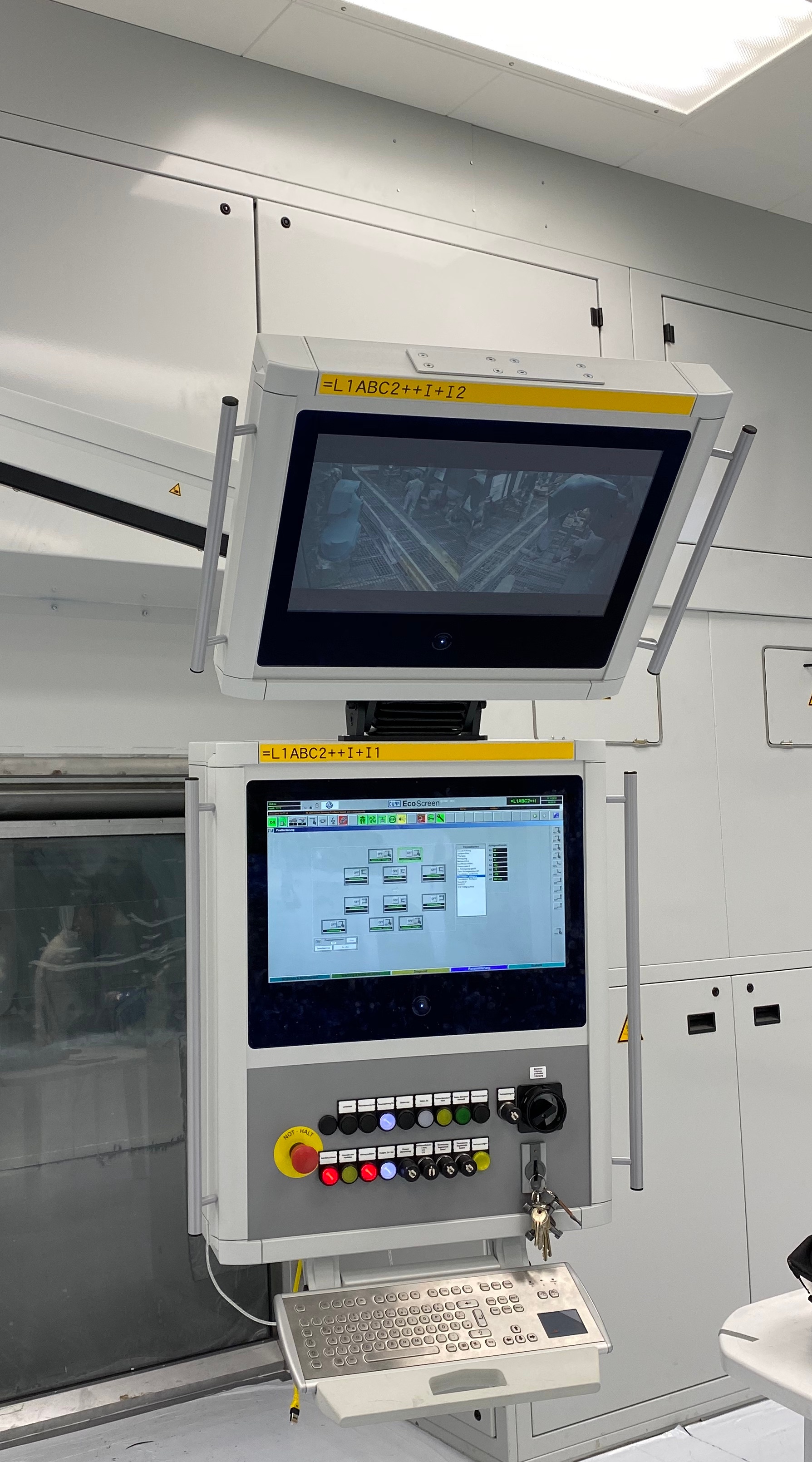
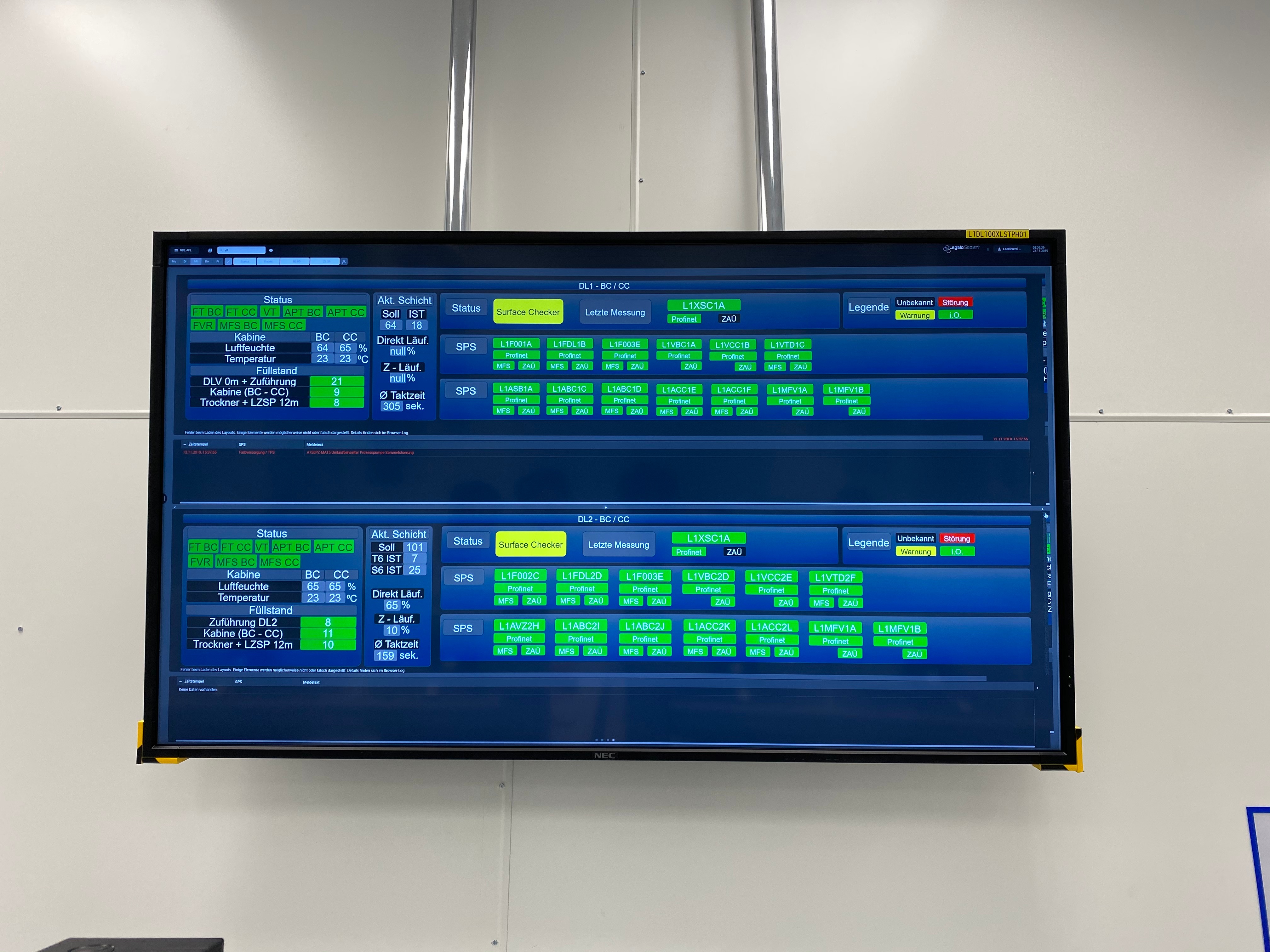
The formats vary strongly in the ratio. we have partly 5:4, 4:3, 16:9, 21:9 or special formats from the industry. In our design kit we focus exclusively on the width. The height may be variable as the boardlets are arranged "fluid" within the dashboard. We currently assume that there are 6 different screens(devices) within the application of our design kits. These differences are called breakpoints.





Lighting conditions
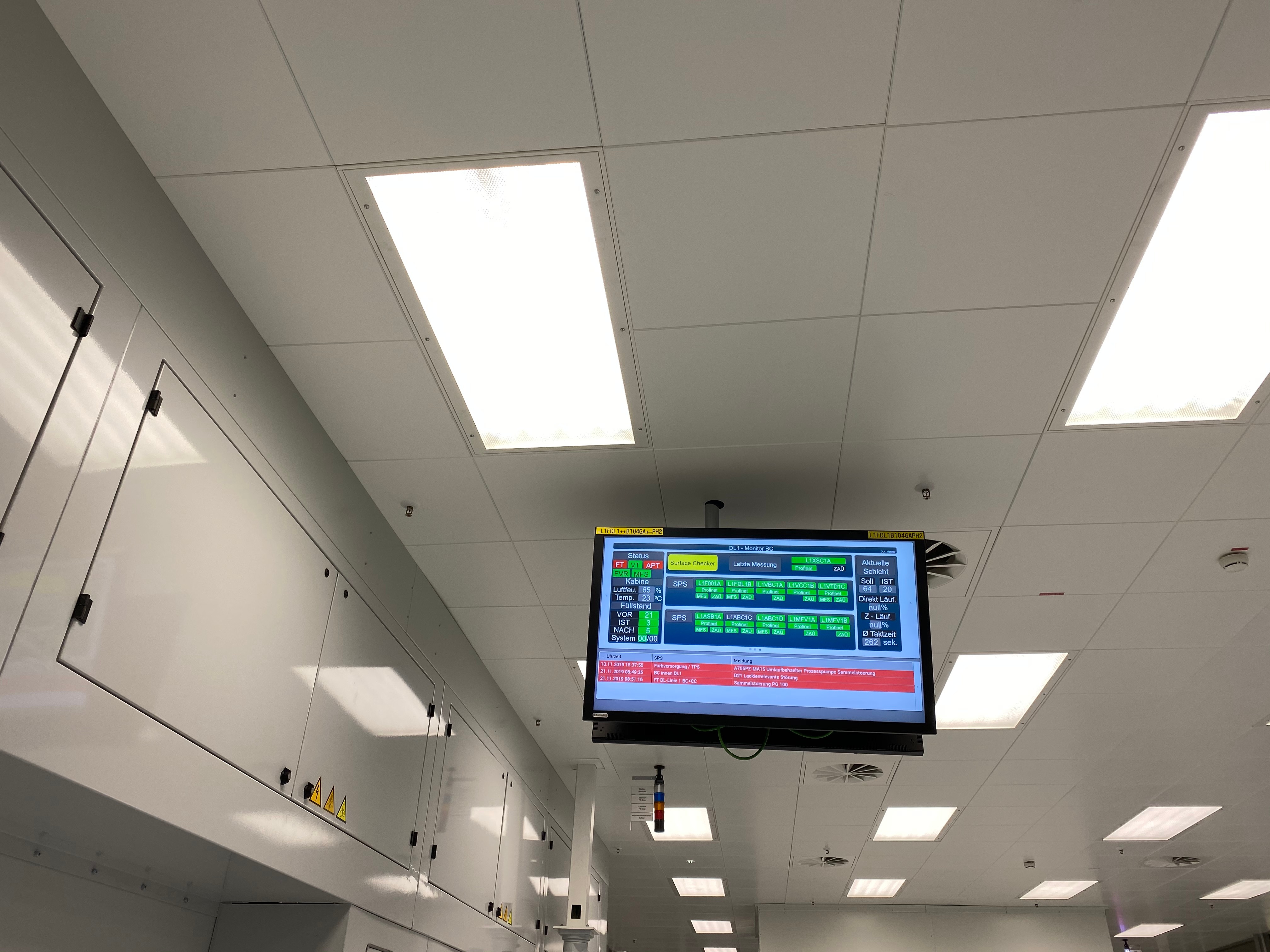
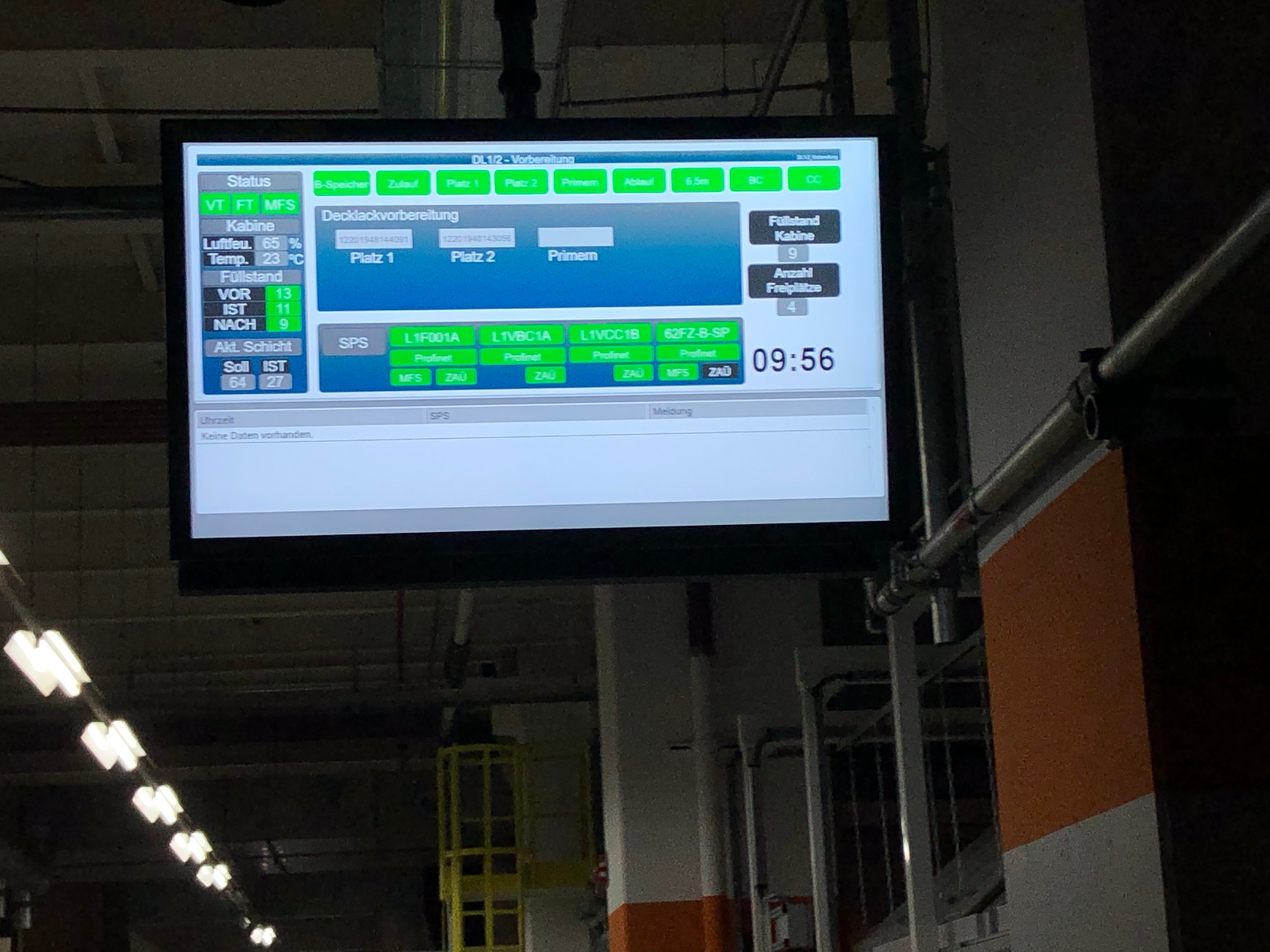
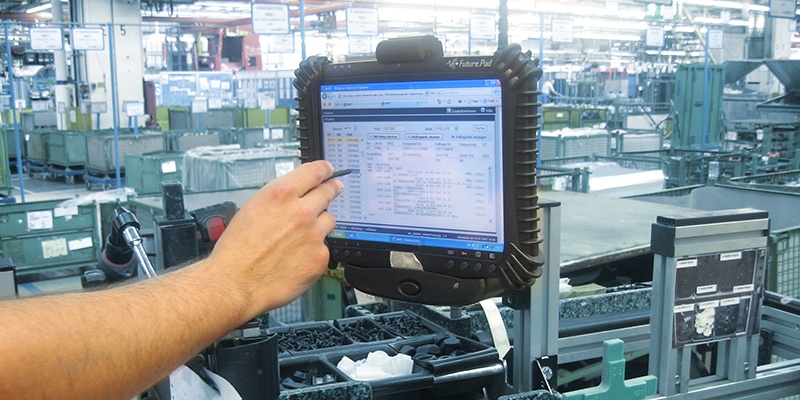
Lighting conditions vary widely within factories. Added to this are different light intensities of the displays. This can lead to the interface not being displayed correctly. It can even lead to the contrast being too high or too low, both of which are very bad for readability. Colours can also be perceived as too light or too dark.
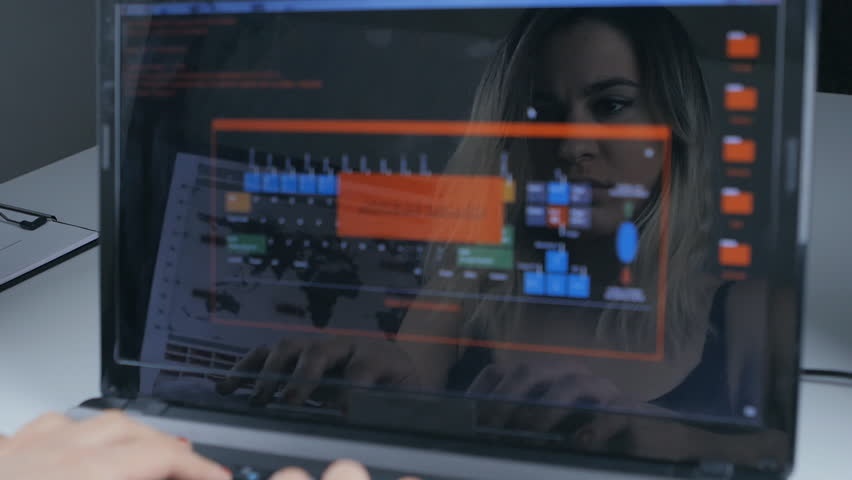
Poor light conditions also cause unpleasant reflections on the screen. In this case the use of different themes is essential.




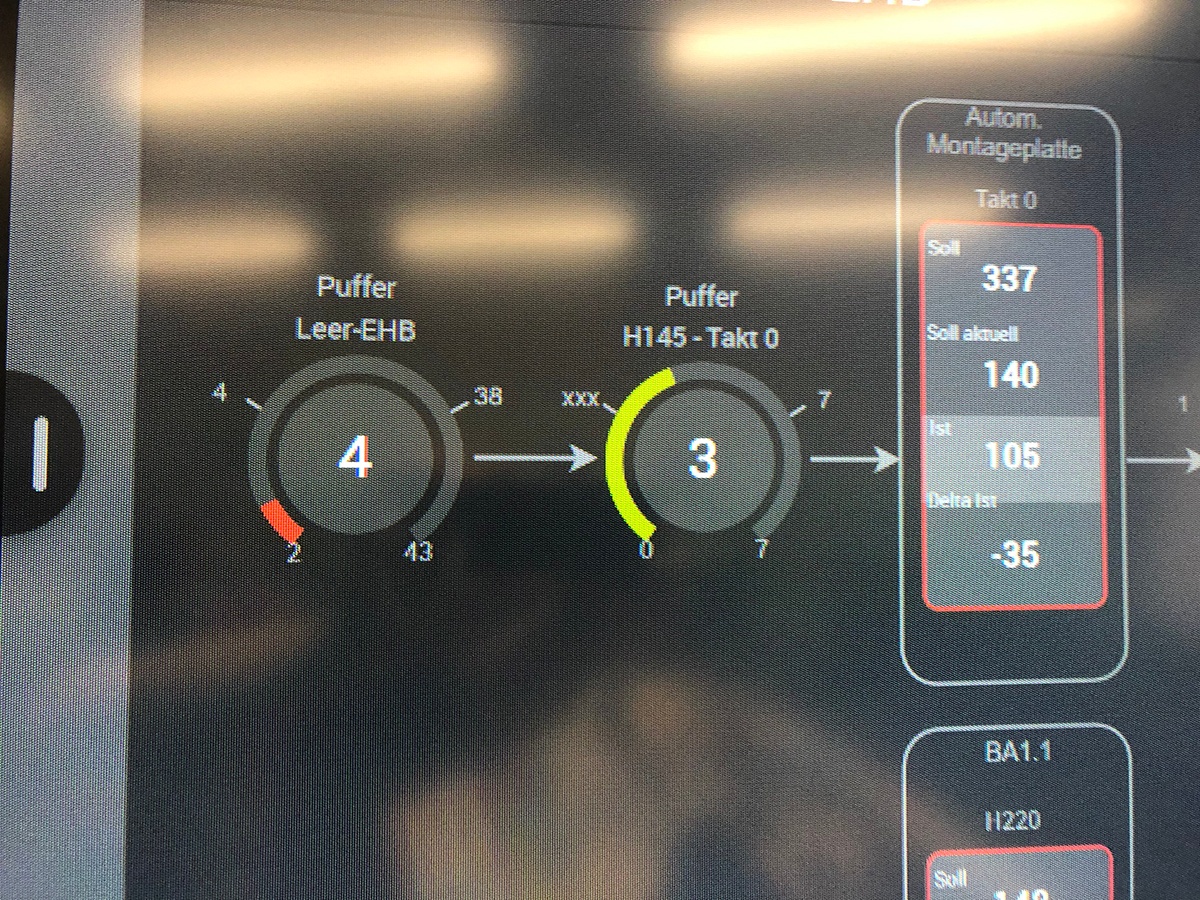
Filter, Protective Filter, Anti-reflection filter
Within the industry different types of protection filters are often used. These filters protect very effectively the different end devices. The disadvantage of these filters is that they distort the readability, colors and contrasts. They are often perceived as unpleasant but necessary evil.
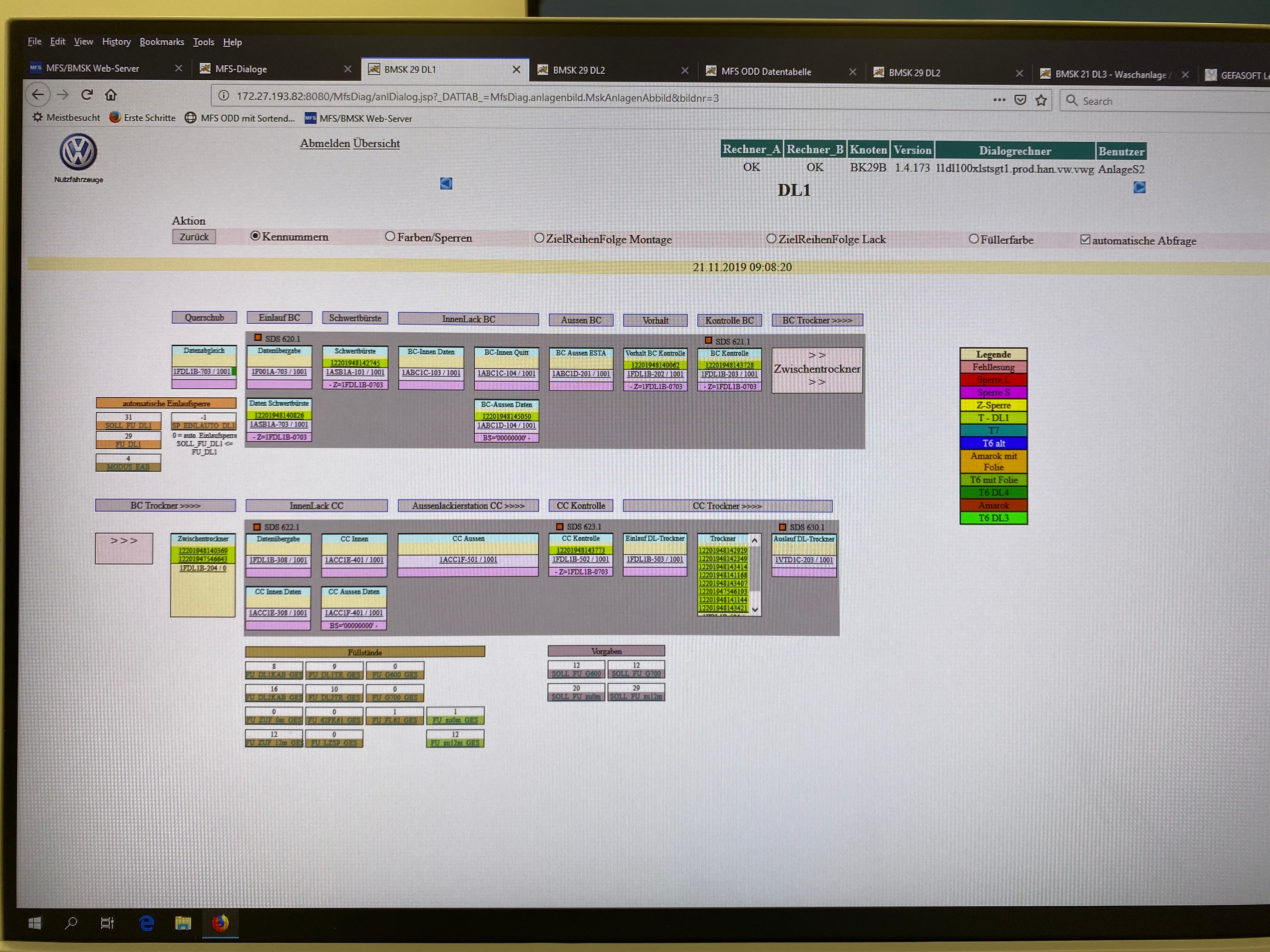
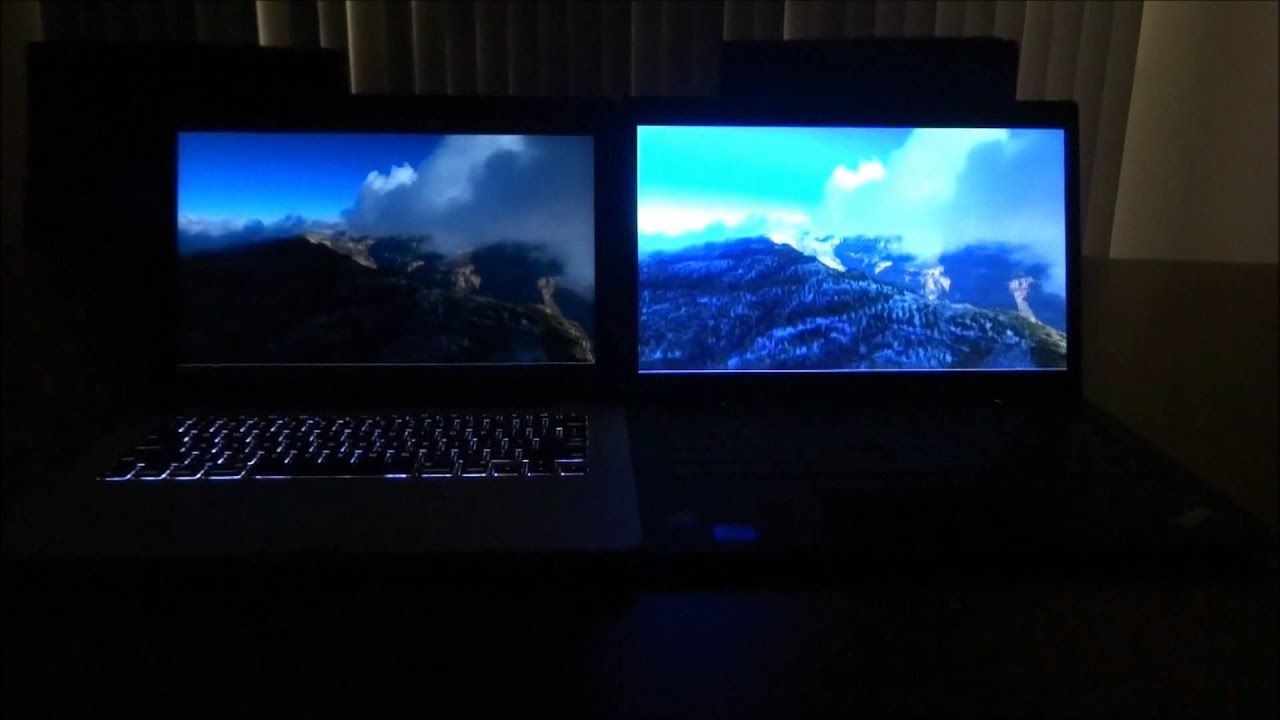
Matte Vs. Glossy Screen
Imput
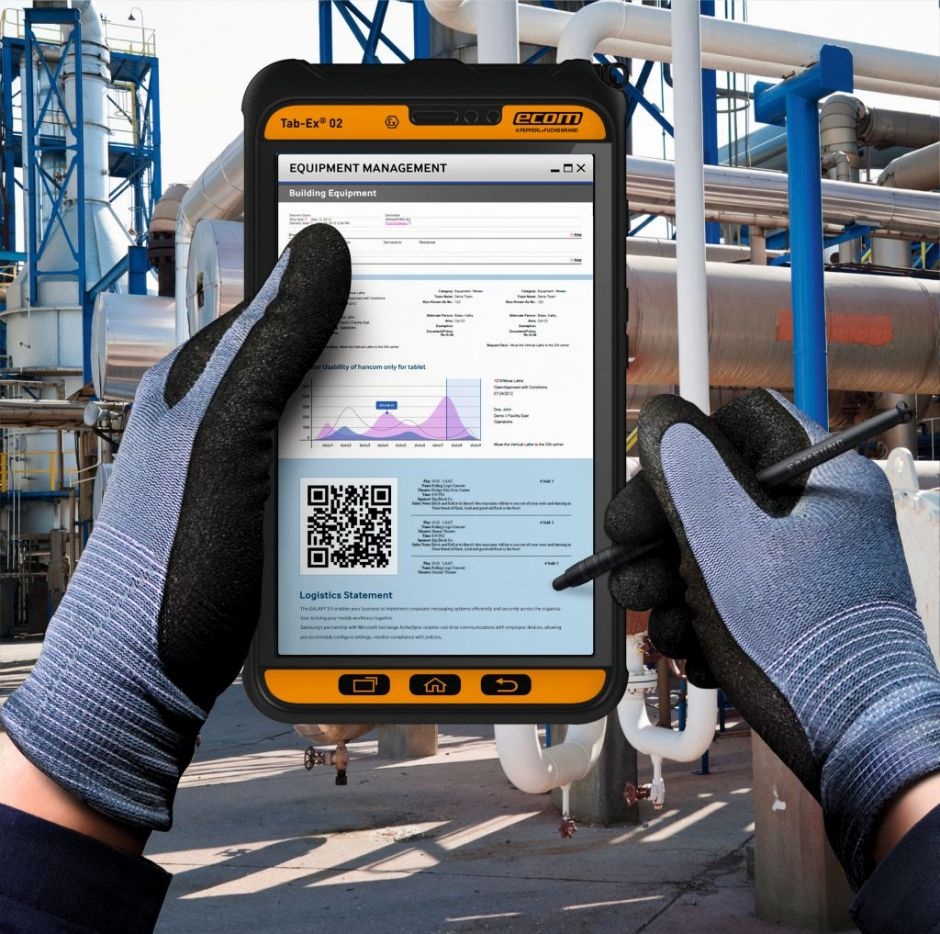
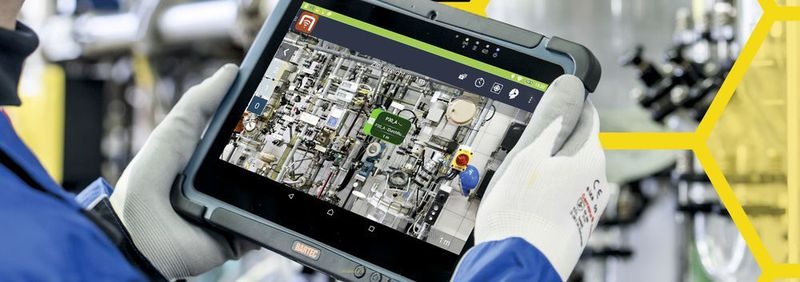
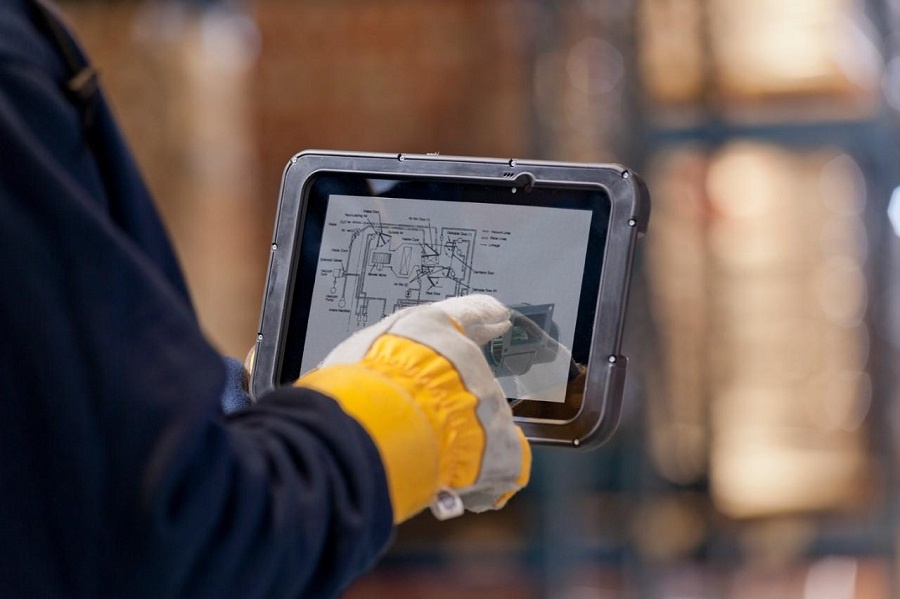
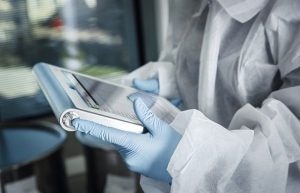
The input within the equipment used by the industry varies according to the situation and business field. The user can wear gloves of different thicknesses during input. Input can also be made using a pen, a touchpad, a keyboard with integrated mouse or directly on the screen. Voice control is also conceivable, but cannot be regarded as a general rule, as noise levels vary from factory to factory.
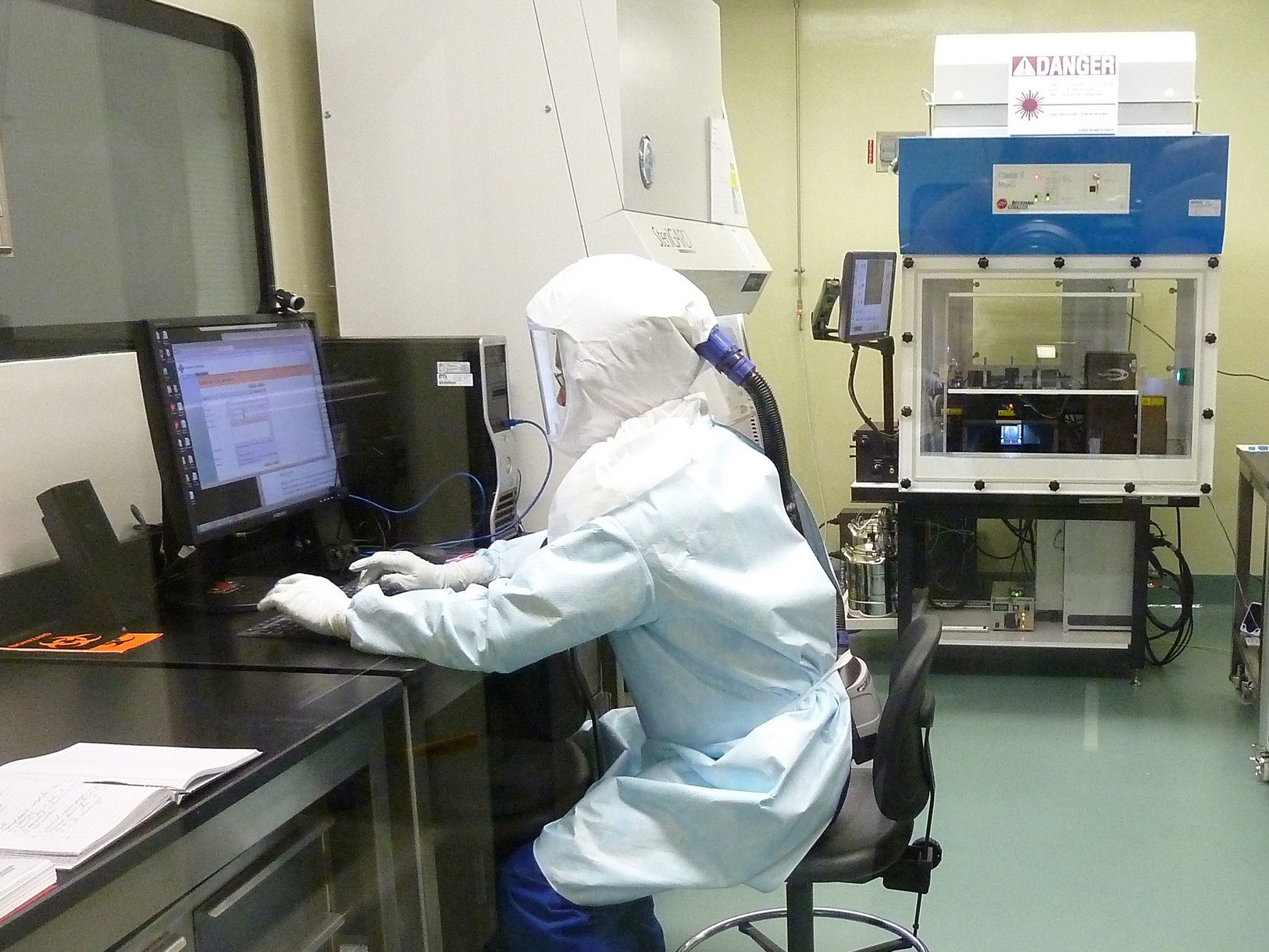
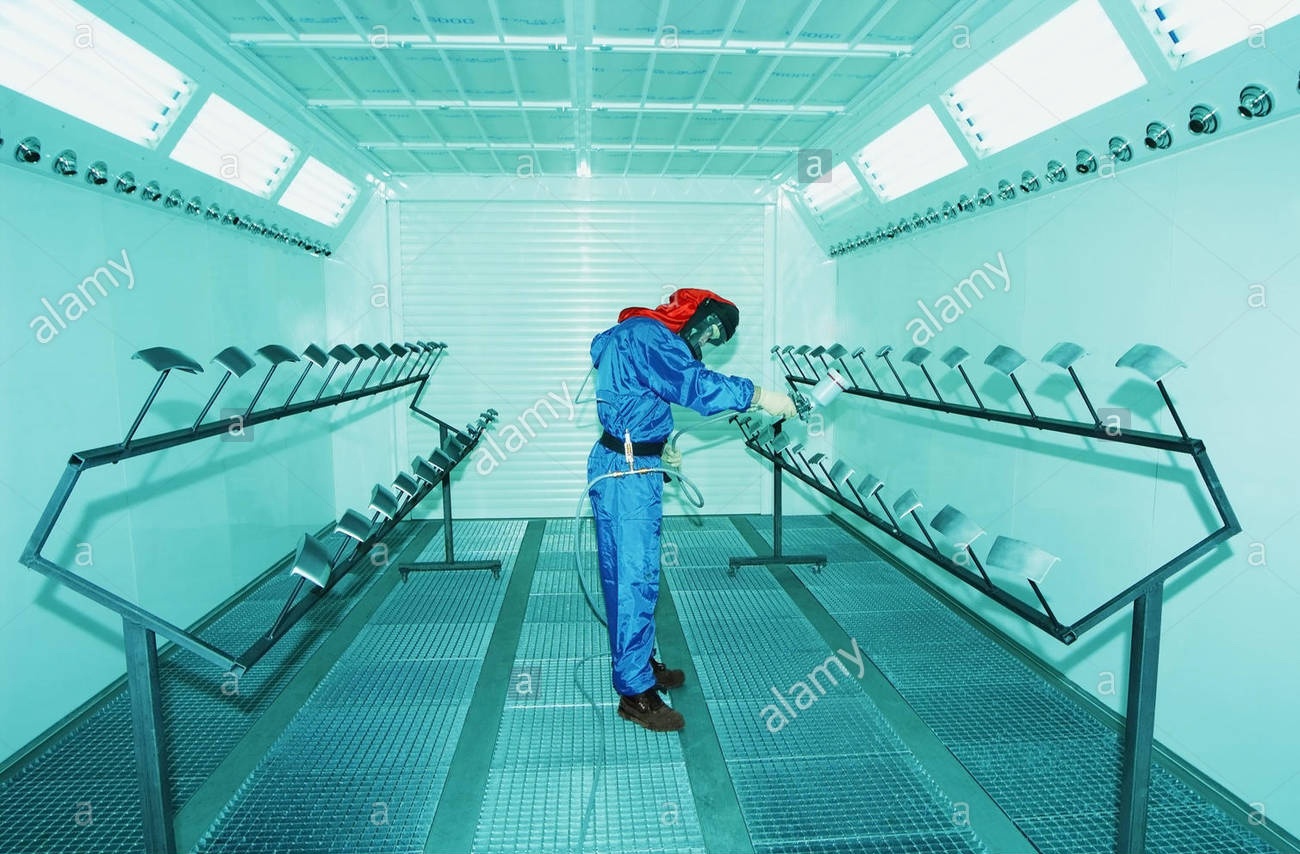
Protective clothing can also affect the visual result of our interface.
This situation makes the design of a general interface difficult or almost impossible. here you have the choice between "design first" or "usability first".



Accessibility
As our interface is used within large global factories, many different users come into contact with it. These global factories also include many different types of disabled people. The design kit must take these disabilities very seriously and provide solutions.
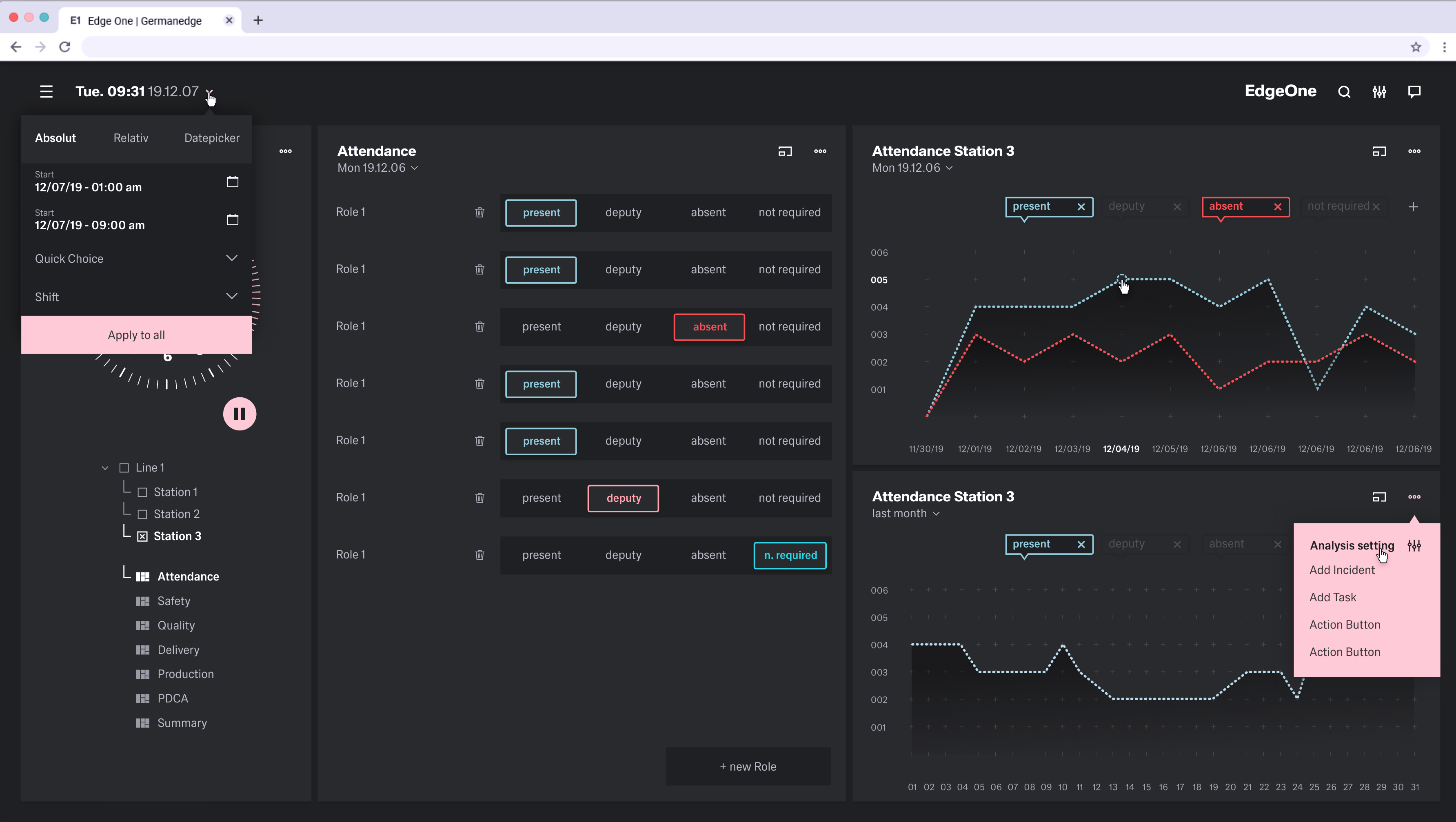
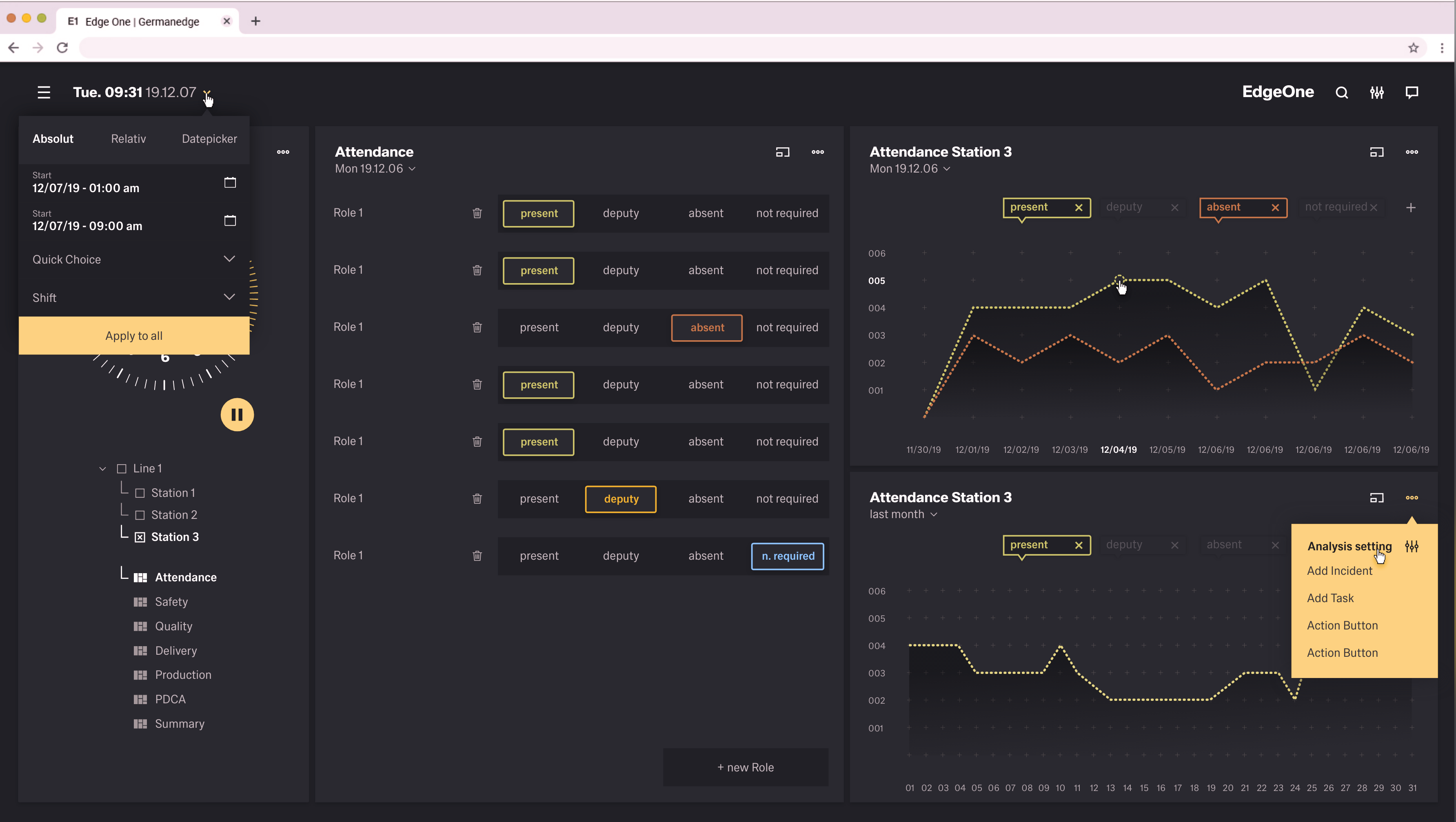
Color blindness
Color blindness involves difficulty in perceiving or distinguishing between colors, as well as sensitivity to color brightness. It affects approximately one in twelve men and one in two hundred women worldwide.
| Type | Color deficiency |
|---|---|
| Protanopia | Red/green |
| Tritanopia | Blue |
| Deuteranopia | Green |
| Monochromacy | All colors |
Low vision
Low vision can include partial sight in one or both eyes and can range from mild to severe. It affects about 4% of the world’s population.
| Type | Visual deficiency |
|---|---|
| Low acuity | Also known as “blurred vision.” Can make text difficult to read, since it appears fuzzy. |
| Low-contrast sensitivity | Decreased ability to determine fine detail and distinguish one object from another |
| Obstructed visual field | The user’s view is partially obstructed. Can include central vision and spotty vision. |
| Retinitis Pigmentosa | Also known as “tunnel vision.” The user is only able to see central elements. |
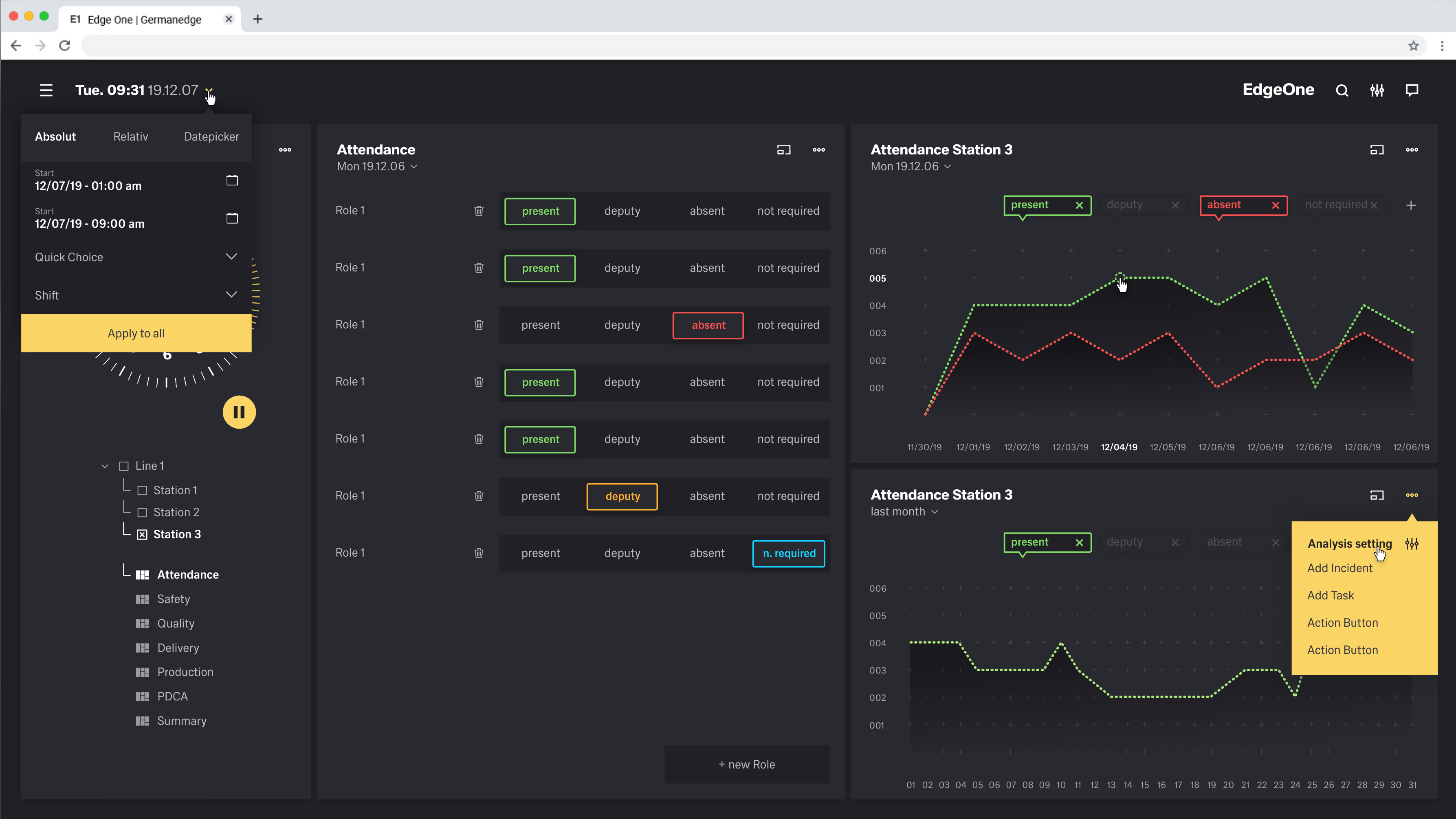
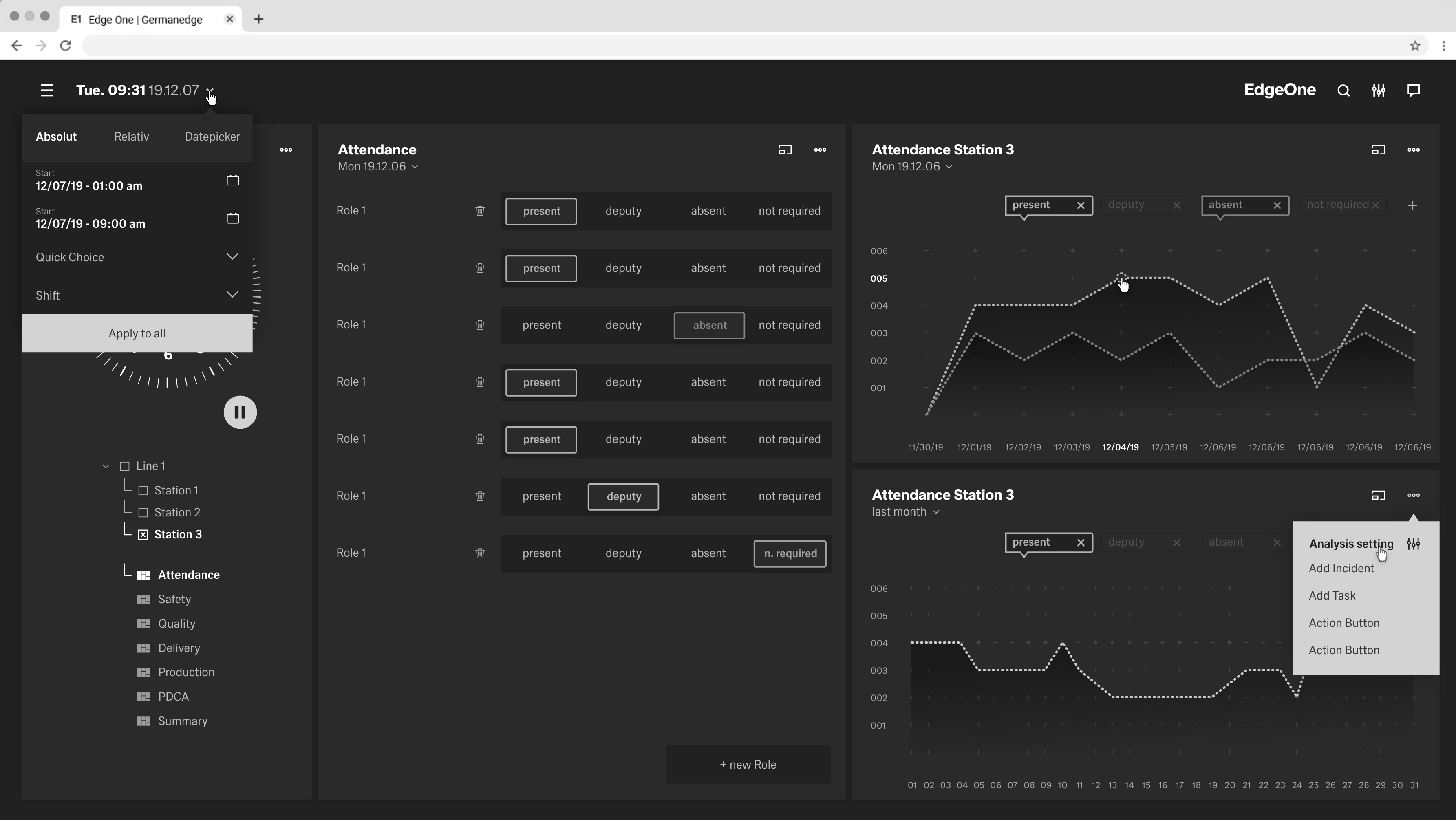
Regular View

Tunnel Vision
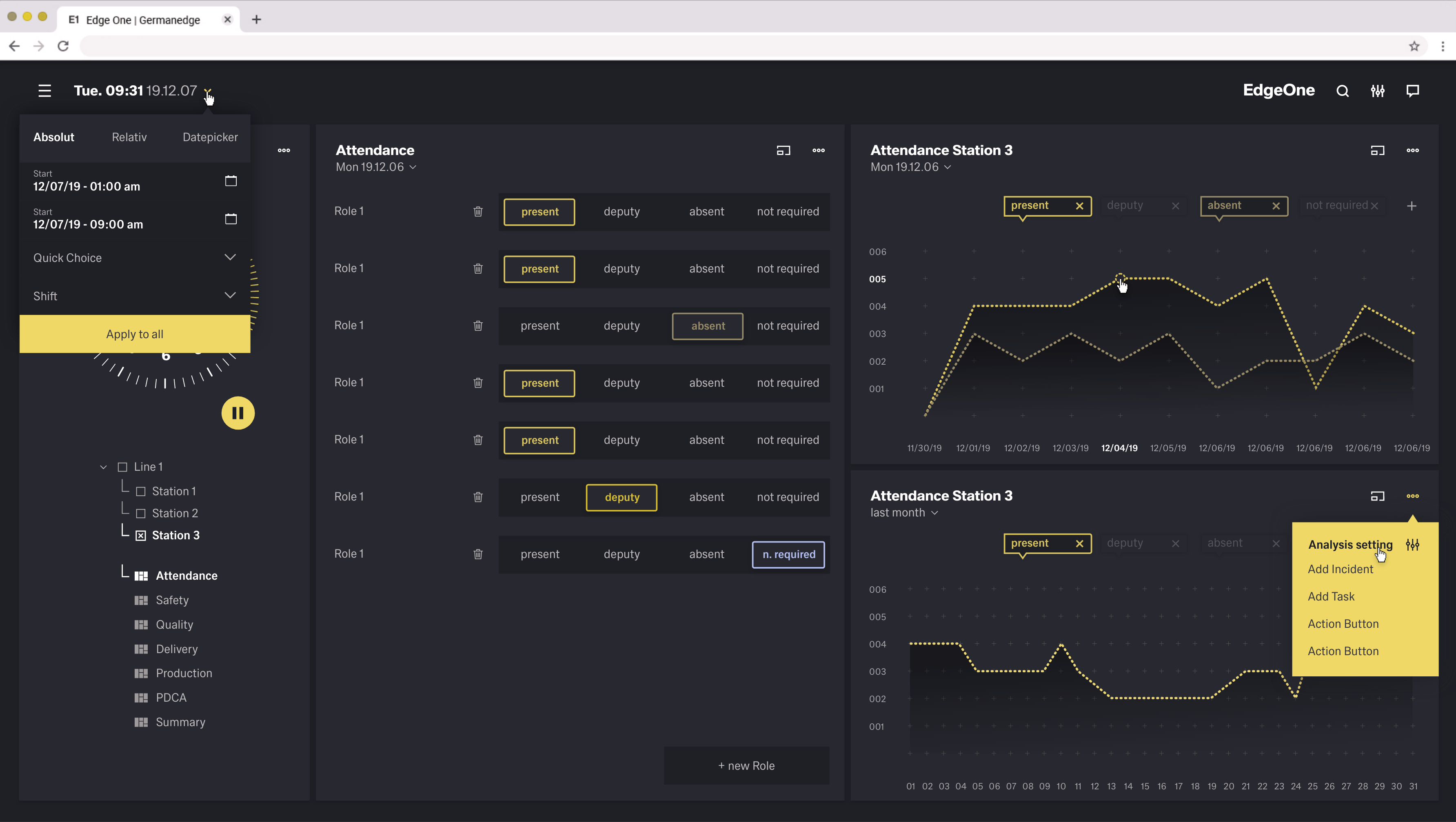
Protanopia View
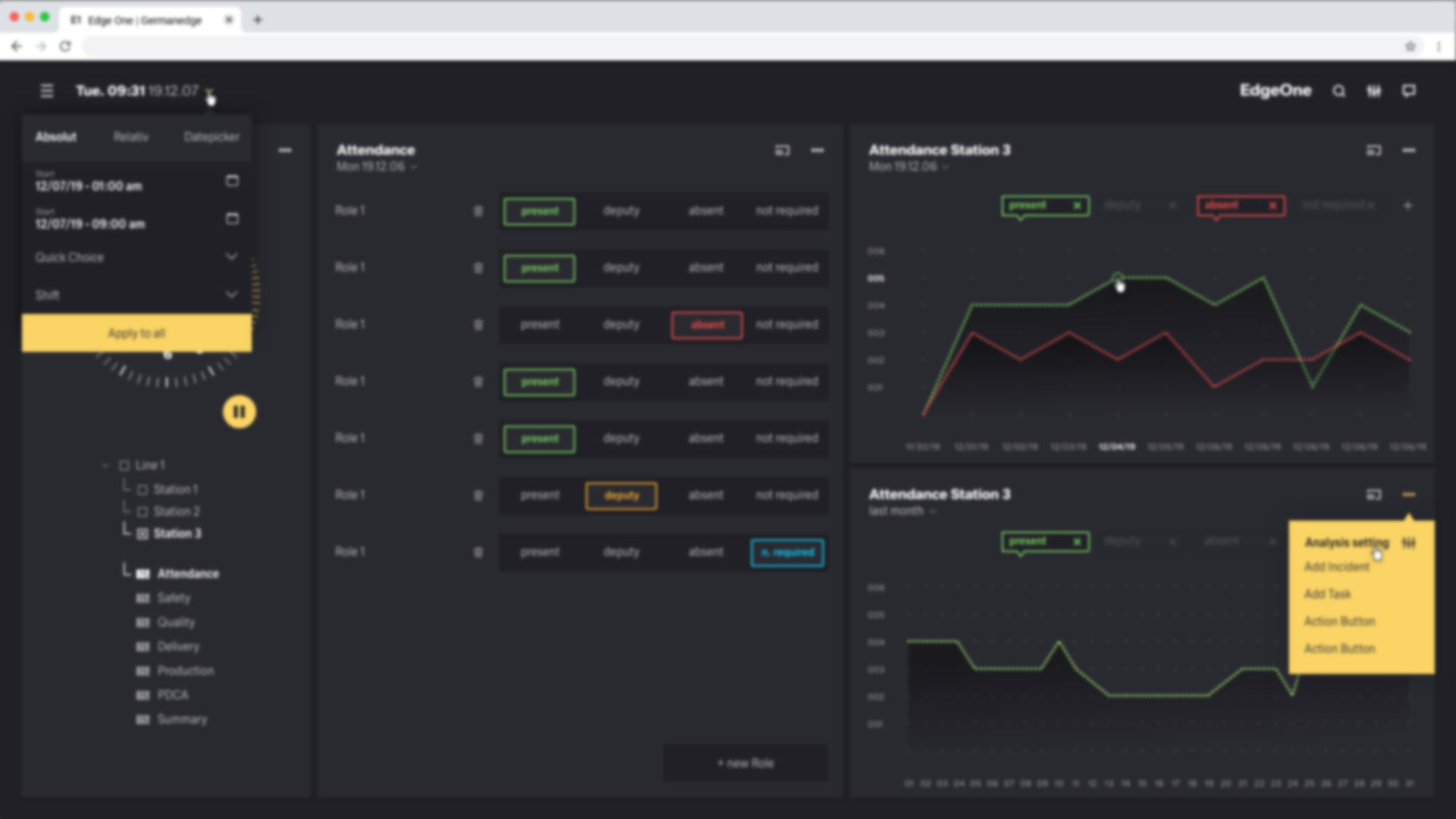
Blurred Vision
Fazit
